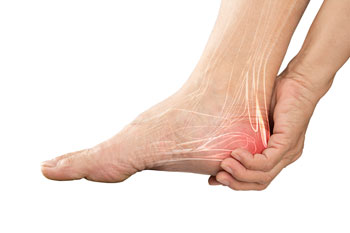
Heel pain treatment at Premier Foot Clinic in Clinton, MS

What Causes Heel Pain?

Heel pain is most commonly caused by repetitive stress. With that being said, it may be more common for athletes who perform repetitive movements to be afflicted with heel pain at some point during their activity. Heel pain can occur due to a number of different factors. These may include issues with having poor circulation, complications due to arthritis and diabetes, and poor form when running or exercising, as well as having poor posture.

Conditions That Can Cause Heel Pain

There are a number of conditions that may also influence pain felt in the heel region.

Tarsal Tunnel Syndrome

Tarsal tunnel syndrome is one example of a condition that affects the heel. This may occur when the nerve in the back of the foot becomes pinched, thus causing a numbing or tingling feeling as if the heel has pins and needles in them.

Heel Bursitis

Heel bursitis is another condition that commonly brings discomfort to the heel. This condition may arise when inflammation occurs at the back of the heel, often occurring due to landing awkwardly or wearing footwear that puts a good amount of pressure on the heel. As a result, the Achilles tendon may swell, causing the pain to increase throughout the day. Simple exercises focused on strengthening the heel and surrounding areas, as well as focused on building the flexibility of the foot, may help to prevent and treat heel pain.

When to See a Podiatrist for Heel Pain

For a proper diagnosis and advised professional treatment plan, we recommend that you consult with a podiatrist as soon as possible to avoid developing a serious condition.

Frequently Asked Questions

What are the most common causes of heel pain?

The most common cause of heel pain is plantar fasciitis, an inflammation of the thick band of tissue that supports the arch and attaches to the heel bone. Irritation of the Achilles tendon at the back of the heel is another frequent cause. Heel spurs, overuse from running or long hours on your feet, poorly supportive footwear, and extra body weight can also play a role. Less often, arthritis, stress fractures, or nerve irritation are behind ongoing heel pain.

What symptoms are associated with heel pain?

Heel pain usually shows up as a sharp or aching pain on the bottom or back of the heel, along with stiffness and tenderness. Many people notice it most with their first steps in the morning or after sitting for a while. Swelling, redness, or warmth may also be present. Pain can build during walking, running, or long periods of standing, which may affect your balance and make everyday activities harder.

Why does heel pain often feel worse in the morning?

Heel pain is often worse in the morning because the soft tissues in your foot tighten and lose flexibility while you rest overnight. When you stand up and put weight on your foot, those tissues are stretched suddenly, which can cause a sharp burst of pain. The discomfort usually eases as your foot warms up and starts moving. This pattern is common in several heel conditions, especially plantar fasciitis.

What treatments are commonly used for heel pain?

Heel pain treatment depends on what is causing it and how severe it is. Most cases start with conservative care, such as rest, stretching exercises, and wearing supportive, well-cushioned shoes. Custom orthotics can improve foot alignment and take pressure off the heel, while adjusting your activities gives irritated tissues time to heal. If pain continues despite these steps, your podiatrist may recommend more advanced treatment options. Most people find relief without surgery.

Does body weight influence heel pain?

Body weight can influence heel pain because it affects how much force your heel absorbs with every step. Over time, that added pressure can strain the soft tissues that support the heel. However, weight is rarely the only cause; it is usually one contributing factor among several. Supportive footwear and proper foot alignment help reduce stress on the heel for people of any size, and correcting foot mechanics often matters more than focusing on weight alone.

scroll to top