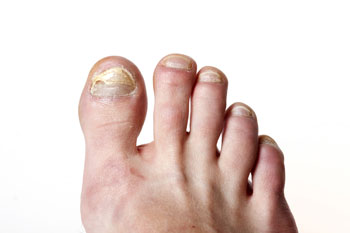
Fungal nail treatment at Premier Foot Clinic in Clinton, MS

How Fungal Toenails Develop

Fungal toenails form due to an infection that gets in between either the cracks in the nail or possible cuts on the surrounding skin. When this occurs, it’s likely to discolor and thicken the nail; this makes it hard to care for or trim. The nail itself may also become brittle and could potentially crumble. The fungus under the nail may build over time, separating the nail from the bed and ultimately causing it to fall off if not treated properly.

Who Is at Risk for Fungal Nails?

Fungal nails typically form due to the lack of footwear in public, warm, damp environments. Popular areas where patients have picked up a fungal infection include communal showers, locker rooms, gyms, and swimming pools. If you’re prone to sweaty feet, you may be more likely to develop a fungal nail as well. You may also be more likely to develop a fungal nail if you have a weaker immune system or have a history with athlete’s foot.

Professional Care for Fungal Toenails

For a proper diagnosis and advised treatment plan, it’s recommended that you consult with a podiatrist as soon as possible for professional care and to prevent the infection from spreading.

Frequently Asked Questions

How are fungal toenail infections treated effectively?

Fungal toenail infections are treated most effectively with a plan matched to how severe the infection is, often using topical or oral antifungal medications. Topical treatments are applied directly to the nail, while oral medications work through the body to fight the infection from within. In some cases, laser therapy or professional nail debridement, which trims and thins thickened or damaged nail, may be used. Following the treatment plan consistently and practicing good nail hygiene are essential for full recovery and for keeping the infection from coming back.

What are the typical signs and symptoms of a fungal toenail infection?

The most common signs of a fungal toenail infection are nails that become thick, discolored, or brittle, often turning yellow, white, or brown. The nail may also change shape, crumble at the edges, or lift away from the nail bed. Some people notice an unpleasant odor, discomfort, or mild pain when pressure is placed on the toe. In more severe cases, the skin around the nail can become red, irritated, or inflamed, which is a sign to have it evaluated promptly.

Are fungal toenails painful or just a cosmetic concern?

Fungal toenails are often more than a cosmetic concern. In the early stages they may not hurt, but as the nail thickens or lifts from the nail bed, pressure and discomfort can develop, especially when wearing shoes or walking. In more advanced cases, the skin around the nail may also become irritated. That means the condition affects both how your toes look and how comfortably your feet function.

Why do fungal toenails take so long to clear?

Fungal toenails take a long time to clear because toenails grow very slowly, so visible improvement lags behind even after the fungus is under control. Treatment needs to continue while healthy nail gradually grows in and replaces the infected nail, which can take a year or more for a big toe. Stopping treatment too early may allow the fungus to survive and return. Thick nails also make it harder for medication to reach the infection, so patience and consistency are key to a successful result.

Can fungal toenail infections be prevented or recur after treatment?

Yes, you can lower your risk of fungal toenail infections by keeping your feet clean and dry, wearing breathable shoes and moisture-wicking socks, and avoiding walking barefoot in public areas such as pools and locker rooms. Trimming your nails regularly and disinfecting your footwear also help. Even after successful treatment, the infection can come back, particularly if these preventive habits are not followed or if you have risk factors such as diabetes, poor circulation, or a weakened immune system.

How do fungal toenails affect foot health overall?

Fungal toenails can affect overall foot health by disrupting normal nail growth and making your feet less comfortable. Thick or misshapen nails may press against your shoes and neighboring toes, which can lead to skin irritation and other secondary foot problems. For people with reduced circulation or sensation, such as many people with diabetes, these complications can develop more easily. Keeping your nails healthy helps protect your comfort and mobility.

scroll to top