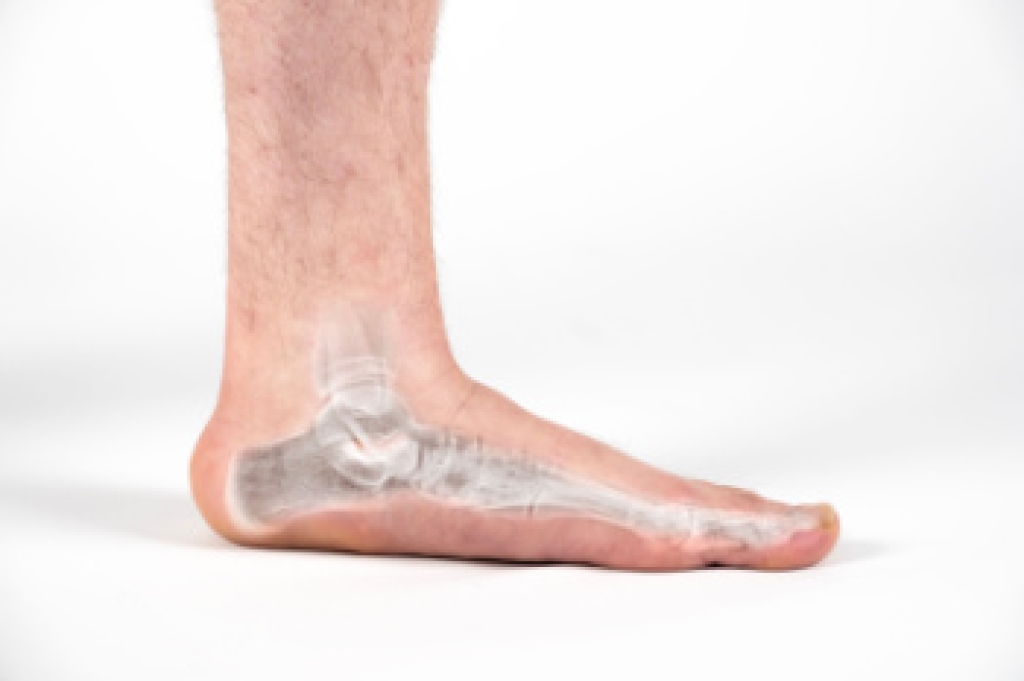
How Flat Feet Affect Walking

Flat feet develop when the arches of the feet are low or absent, allowing more of the soles to touch the ground. The arch normally helps distribute body weight and supports movement during walking.In young children, flat feet are often a normal part of growth as their arches take shape. Many children develop visible arches as they grow, while others continue to have flat feet into adulthood. Some adults develop flat feet later in life when the structures supporting the arch weaken. Although flat feet do not always cause problems, changes in foot alignment may place additional strain on nearby muscles and joints. Arch structure helps explain why symptoms vary.


Symptoms of flat feet depend on the degree of arch flattening and how the feet respond to activity. Some individuals notice aching along the inside of the foot or around the ankle, especially after extended periods of standing. Others experience tired feet or discomfort that becomes more noticeable during walking. When the arch drops, the heel may tilt outward, changing how weight moves across the foot. This altered alignment may affect the way a person walks and place added stress on surrounding tissues. Flat feet occur in one foot or both, and symptoms sometimes become more noticeable over time. Not every low arch requires treatment, when movement is comfortable. However, persistent discomfort, swelling, or changes in foot shape deserve attention. Identifying whether the arch remains flexible or becomes stiff is an important part of understanding the problem.


A podiatrist evaluates flat feet by examining foot alignment, arch flexibility, and walking patterns. The examination will include observing how the arches change when a person stands or rises onto the toes. These findings help identify sources of pain. When treatment is appropriate, podiatric care involves supportive footwear recommendations or custom orthotics designed to improve comfort and distribute pressure more evenly. A podiatrist may also recommend guided exercises to support foot function, depending on the individual's needs. Treatment focuses on symptoms and movement rather than simply changing the appearance of the arch. An evaluation is useful when foot shape or comfort changes. If you are experiencing painful flat feet or changes in your arches, it is suggested that you consult a podiatrist for an evaluation and appropriate treatment options.

Flatfoot is a condition many people suffer from. If you have flat feet, contact Stefanie M. Thomas, DPM from Premier Foot Clinic. Our doctor will treat your foot and ankle needs.

What Are Flat Feet?

Flatfoot is a condition in which the arch of the foot is depressed and the sole of the foot is almost completely in contact with the ground. About 20-30% of the population generally has flat feet because their arches never formed during growth.

Conditions & Problems:

Having flat feet makes it difficult to run or walk because of the stress placed on the ankles.

Alignment – The general alignment of your legs can be disrupted, because the ankles move inward which can cause major discomfort.

Knees – If you have complications with your knees, flat feet can be a contributor to arthritis in that area.  

Symptoms

  • Pain around the heel or arch area
  • Trouble standing on the tip toe
  • Swelling around the inside of the ankle
  • Flat look to one or both feet
  • Having your shoes feel uneven when worn

Treatment

If you are experiencing pain and stress on the foot you may weaken the posterior tibial tendon, which runs around the inside of the ankle. 

If you have any questions, please feel free to contact our office located in Clinton, MS Servicing the Clinton and Jackson, MS area . We offer the newest diagnostic and treatment technologies for all your foot care needs.

Read more about What is Flexible Flat Foot?

How Walking Benefits Foot Health

Walking gives the feet regular movement while supporting the health of the entire body. With each step, the foot absorbs weight, adjusts to the ground, and helps move the body forward. This coordinated action engages muscles in the feet and lower legs. Regular walking also supports heart health and circulation. For many people, it offers a practical way to remain active without the higher impact of running. Healthy movement depends on comfortable joints and muscles that provide adequate support. When pain changes the way someone walks, other parts of the foot may take on extra pressure, making a podiatric assessment important.

Although walking benefits foot health, repeated pressure sometimes reveals an underlying problem. Heel pain might reflect irritation of the strong band of tissue beneath the foot. Aching in the ball of the foot may develop when pressure concentrates beneath the toe joints. Arthritis also causes discomfort by affecting the joints used with each step. Shoes that fit poorly contribute to rubbing and crowd the toes. A sudden increase in walking distance places additional demands on bones and tendons, the strong tissues connecting muscles to bones. Persistent soreness requires attention because continuing to walk through pain may worsen an injury.

A podiatrist evaluates foot structure and watches how the feet move while walking. The examination also includes checking joint movement, muscle strength, and areas of tenderness. An assessment of circulation and sensation helps identify concerns that affect walking safety, particularly in patients with diabetes. Treatment depends on the cause of the pain. A podiatrist recommends appropriate walking shoes and determines whether custom orthotics would improve support or redistribute pressure. These prescription shoe inserts address specific foot mechanics. Guidance about suitable activity levels helps patients stay active while protecting injured tissues. Follow-up visits allow treatment adjustments as symptoms improve. If you have foot pain, it is suggested that you schedule an appointment with a podiatrist for a diagnosis and appropriate treatment.

Exercising your feet regularly with the proper foot wear is a great way to prevent injuries and build strength. If you have any concerns about your feet, contact Stefanie M. Thomas, DPM from Premier Foot Clinic. Our doctor can provide the care you need to keep you pain-free and on your feet.

Exercise for Your Feet

Exercise for your feet can help you gain strength, mobility and flexibility in your feet. They say that strengthening your feet can be just as rewarding as strengthening another part of the body. Your feet are very important, and we often forget about them in our daily tasks. But it is because of our feet that are we able to get going and do what we need to. For those of us fortunate enough to not have any foot problems, it is an important gesture to take care of them to ensure good health in the long run.

Some foot health exercises can include ankle pumps, tip-toeing, toe rises, lifting off the floor doing reps and sets, and flexing the toes. It is best to speak with Our doctor to determine an appropriate regimen for your needs. Everyone’s needs and bodies are different, and the activities required to maintain strength in the feet vary from individual to individual. 

Once you get into a routine of doing regular exercise, you may notice a difference in your feet and how strong they may become.

If you have any questions, please feel free to contact our office located in Clinton, MS Servicing the Clinton and Jackson, MS area . We offer the newest diagnostic and treatment technologies for all your foot care needs.

Read more about Exercise for Your Feet
scroll to top